Fukuoka Share House Guide: How Renting a Room Works and What to Ask

If you are planning a move to Fukuoka and want a furnished place on a monthly basis, a share house is one of the common routes. You get a private room, shared living spaces, and usually a simpler move-in than a standard Japanese apartment.
The catch is that listings vary a lot, and many are written only in Japanese. This guide walks through how share houses in Fukuoka generally work, what to check on a listing, and the questions worth asking a host before you commit.
What a share house is
A share house is a building or large home where each resident rents a private bedroom and shares the kitchen, bathrooms, laundry and lounge with others. The operator or owner manages the house, sets the rules and handles the contract.
Sizes range widely. Some are converted family homes with a handful of rooms. Others are purpose-built buildings with many residents, a staffed office and regular cleaning of shared areas.
Residents tend to be a mix of students, working people, people on longer trips and people who are new to the city. The feel of a house depends on its size, its rules and who lives there at the time.
What is usually included, and what to check
Every house is different, so read the listing line by line. Here is what to look for.
Your room
- Furniture: most rooms come with a bed, and often a desk, chair, storage and curtains. Check whether bedding is included or whether you bring your own.
- Room type: Japanese-style rooms with tatami floors and Western-style rooms with flooring are both common.
- Lock and size: ask whether the room locks and what its floor area is, usually given in square meters or tatami mats.
- Air conditioning: Fukuoka summers are hot and humid, so check that the room has its own unit.
Shared spaces
- Kitchen equipment such as a fridge, stove, rice cooker and microwave
- Number of showers and toilets compared with the number of residents
- Washing machines, and whether there is a dryer or only space to hang laundry
- A lounge or workspace, which matters if you work remotely
Utilities and internet
Many share houses bundle electricity, water, gas and Wi-Fi into a single monthly fee or into the rent. Others charge a flat utility fee, and a few split actual usage. If you work online, ask about the internet connection type and whether there is a quiet place to take calls.
Costs to ask about before you move
A listing price is only part of the picture. Not every house charges each of the items below, and the listing should say which apply. If it does not, ask.
- Monthly rent for the room
- Common area or management fee, charged monthly at many houses
- Utilities and internet, if they are not included
- Deposit (shikikin), often partly or fully returned when you leave
- Key money (reikin), a non-refundable payment that many share houses do not charge; confirm with the host
- Move-in or contract fee
- Cleaning fee when you move out
- Guarantor company fee, if the house uses one
Ask for the total you will pay before you move in, and the total you should expect each month after that. Seeing both numbers in writing makes it much easier to compare two houses fairly.
Contracts, minimum stays and guarantors
Contract length
Share houses often offer shorter and more flexible terms than standard apartments. Some accept stays of one month, while others ask for three or six months. Many use a fixed-term lease, which ends on a set date unless both sides agree to renew. Ask how renewal works and how much notice you need to give before leaving.
Guarantors
A standard apartment in Japan often asks for a guarantor, either a person or a guarantor company. Many share houses do not require a Japanese guarantor, which is one reason they are popular with people who are new to the city. This varies by operator, so confirm with the host before you rely on it.
Documents
Expect to be asked for identification and basic contact details. Some operators ask for more, depending on how long you plan to stay. If you have questions about visas or residence status, check official government sources rather than relying on a host or a listing.
House rules and daily life
Rules are what make shared living work, and they differ from house to house. Common ones include:
- Quiet hours in the evening and early morning
- Guest policy, including whether overnight guests are allowed
- Cleaning, either by staff or by a rota among residents
- Garbage sorting, following the city's categories and collection days
- Shoes off inside, which is standard in Japanese homes
- Smoking, usually limited to a set outdoor area or not allowed at all
Ask for the house rules before you sign. Reading them early tells you a lot about how the place is run.
Choosing an area
Fukuoka is compact, and the subway connects the airport, Hakata Station and Tenjin directly. That makes it easier to live a little outside the center without a long commute.
A few points to think about:
- Tenjin is the main shopping and business district, busy and close to everything.
- Hakata is centered on the main rail station, handy if you travel often by train.
- The Ohori Park side, including Akasaka and nearby streets, mixes a central location with green space for walks and runs.
- Areas further along the subway lines tend to feel more residential and calmer.
If you are not sure where to start, our neighborhood guides to Fukuoka's eight areas describe daily life in each one. For the bigger picture on the city itself, see Why Fukuoka.
Share house or furnished apartment?
Both are common choices for a monthly stay. A rough way to decide:
A share house may suit you if you want a simpler move-in, enjoy meeting people, and are fine sharing a kitchen and bathroom.
A furnished apartment may suit you if you want your own kitchen and bathroom, need a quiet space for calls all day, or are moving with a partner or family.
There is no single right answer. Some people start in a share house for a month or two, learn the city, then move to an apartment in the area they like.
Questions to send in your first inquiry
A clear first message gets clearer answers. Consider including:
- Your planned move-in date and how long you want to stay
- Whether the room is available for those dates
- The full move-in cost and the expected monthly total
- Whether a guarantor or guarantor company is needed
- What is included in the room and in the utilities
- The house rules, minimum stay and notice period
- Whether you can do a video viewing before you arrive
Keep the tone friendly and specific. Hosts get many vague messages, and a concrete one is easier to answer.
How Sumizy fits in
Sumizy is a marketplace that introduces renters to hosts in Fukuoka. Listings are shown in your language, and sending an inquiry is free. Your message goes straight to the host, who answers you directly and handles the contract.
We are not an agency or a broker. We do not sign leases and cannot promise a room or an approval. What we try to do is put the details you need in one place, so you can compare share houses and furnished apartments clearly and ask the right questions.
Ready to look around?
When you have a rough idea of your dates and budget, browse furnished apartments and share houses in Fukuoka and send your questions to the hosts that fit.

Sumizy
Articles connexes
 Guide de déménagement
Comment louer un appartement meublé à Fukuoka : Guide complet (2026)
Un guide étape par étape pour louer un appartement meublé à Fukuoka en tant qu'étranger en 2026 — documents requis, coûts, quartiers, et erreurs à éviter.
 SumizyLire la suite →
 Guide de déménagement
Qu'est-ce qu'un weekly mansion à Fukuoka ? Tarifs, contrats et avantages
Vous vous demandez ce qu'est vraiment un weekly mansion à Fukuoka ? Découvrez les tarifs réels, les détails des contrats et nos conseils pour réserver le bon appartement meublé à court terme à Hakata.
SumizyLire la suite → Guide de déménagement
Location au Japon : Les frais cachés et comment les éviter
Les frais de location au Japon peuvent facilement dépasser ¥500,000 avant votre emménagement. Découvrez ce que signifient réellement le reikin, le shikikin et les frais d'agence — et comment éviter de surpayer en...
SumizyLire la suite →Biens à la une
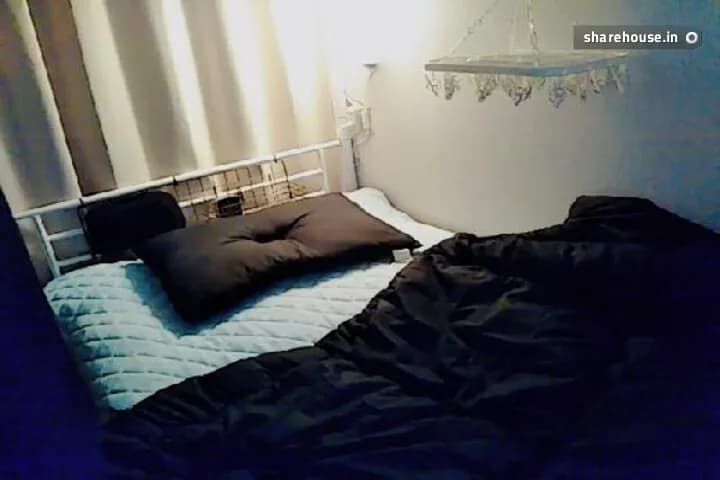
TSUBASA FROUT vol.24 ITOSHIMA PREMIUM CLUB
TSUBASA FROUT vol.24 ITOSHIMA PREMIUM CLUB #301E
Sharehouse room · Tenjin
1 bedroom · 13 m²
Tenjin · min 1 month
¥13,580 / month
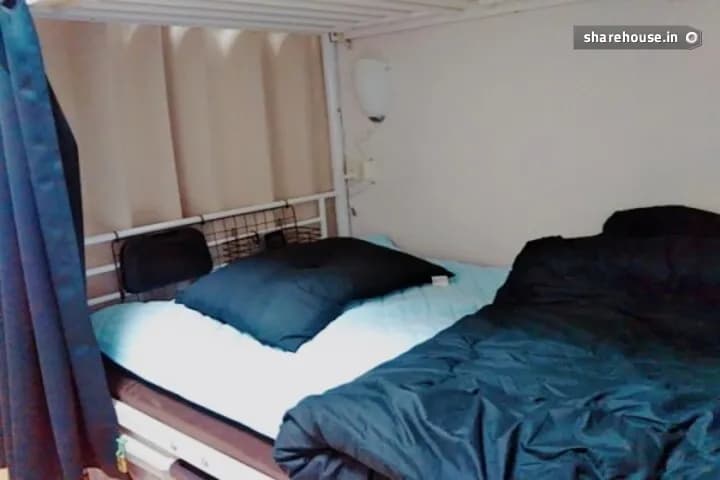
TSUBASA FROUT vol.24 ITOSHIMA PREMIUM CLUB
TSUBASA FROUT vol.24 ITOSHIMA PREMIUM CLUB #301D
Sharehouse room · Tenjin
1 bedroom · 13 m²
Tenjin · min 1 month
¥13,580 / month
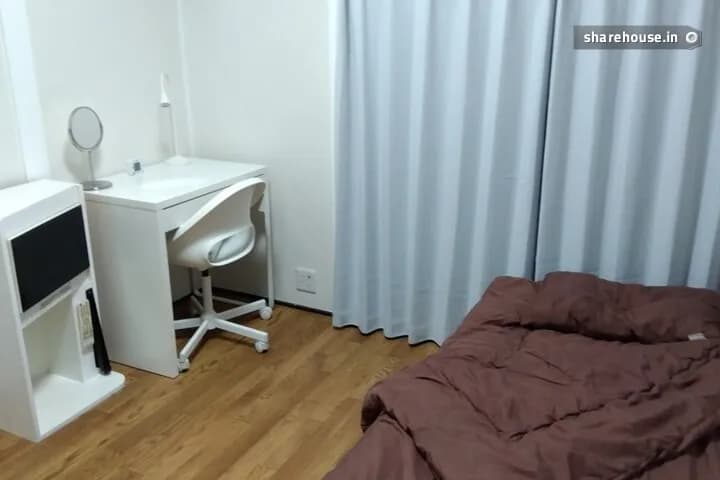
TSUBASA FROUT vol.24 ITOSHIMA PREMIUM CLUB
TSUBASA FROUT vol.24 ITOSHIMA PREMIUM CLUB #202
Sharehouse room · Tenjin
1 bedroom · 14 m²
Tenjin · min 1 month
¥23,580 / month