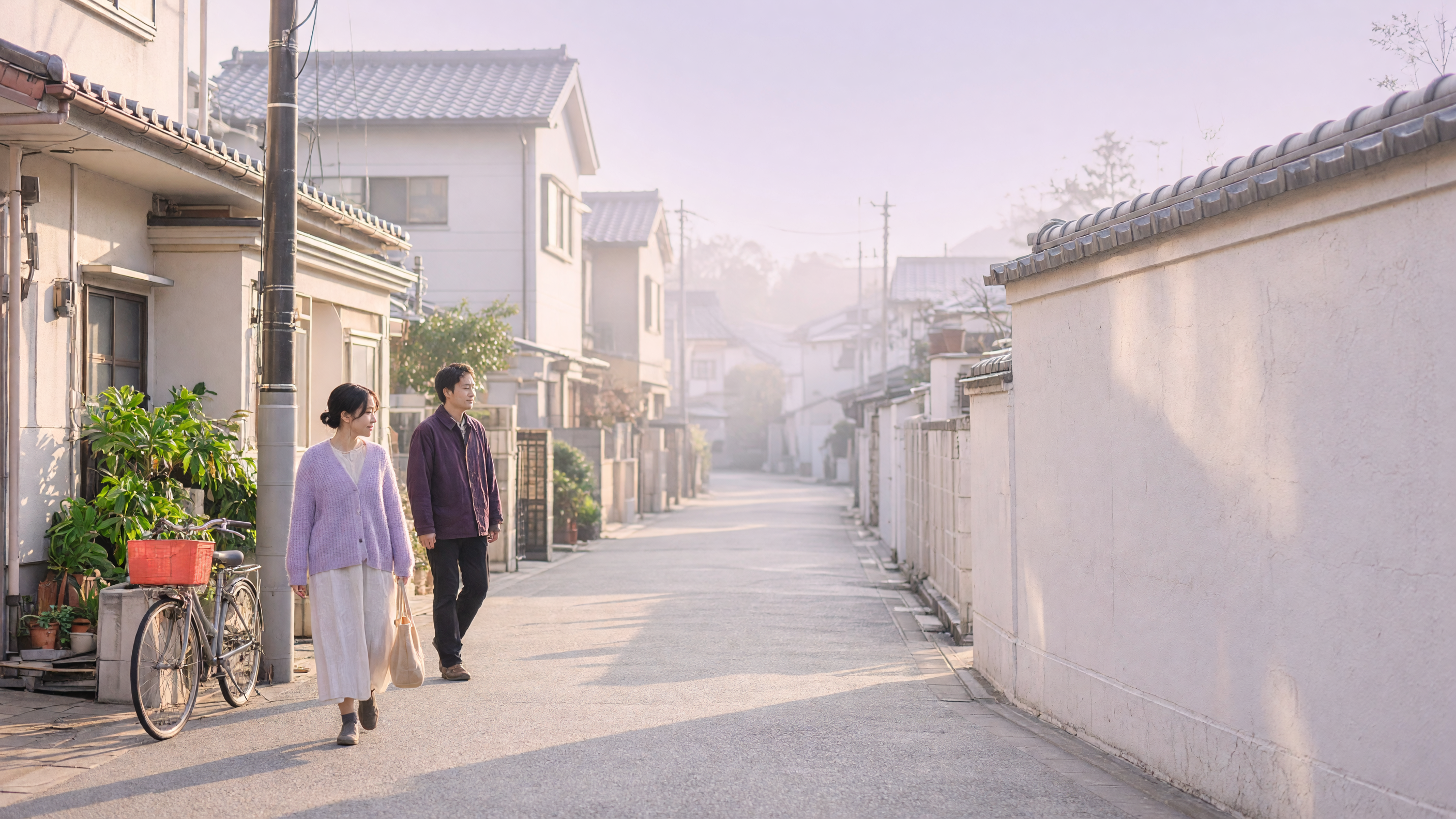
Renting in Fukuoka Without a Japanese Guarantor: What to Ask First

If you are planning a few months in Fukuoka, the word "guarantor" can stop a search early. Many Japanese rental processes assume you have someone local who will vouch for you. If you are arriving from abroad, you probably do not.
This guide explains what a guarantor is, why it comes up, and which questions to put to a host so you know where you stand before you spend time on a viewing.
Why do Japanese landlords ask for a guarantor?
A guarantor is a person or company that agrees to cover unpaid rent or damage if the tenant cannot. Many owners in Japan treat this as a normal part of a standard lease, especially a long one of two years. It is a risk tool for the owner, not a judgment about you.
For a newcomer, the problem is practical. A guarantor traditionally means a relative or employer in Japan. If you have just landed, or you are still abroad, that person does not exist yet.
What is a guarantor company, and is it the same thing?
A guarantor company (保証会社) is a business that takes the guarantor role in exchange for a fee from the tenant. Many standard leases now require one even when a person is also named. It is a common workaround, but it has its own screening.
Things to check if a guarantor company is involved:
- Who pays the fee, and when it is due.
- Whether the fee is a one-time charge or renews.
- What documents the company asks for, such as proof of income or a residence card.
- Whether it accepts applicants who are not yet in Japan.
The rules differ by company and by owner. Ask for the details in writing rather than assuming.
Which kinds of homes tend to skip the guarantor?
Certain formats are built for shorter stays and newer arrivals, so they often handle this differently:
- Sharehouses. You rent a room and share the kitchen and living areas. Contracts are often simpler and shorter than a standard apartment lease.
- Furnished monthly apartments. Operators who serve visitors and people between homes often run month-to-month or fixed short terms, with the furniture and basic setup already in place.
That does not mean every sharehouse or furnished place skips the guarantor. Each operator sets its own terms. On Sumizy, most listings do not ask for a guarantor, but please confirm with the host for the specific place you like.
What should you ask a host before you inquire?
A short, clear message gets a clearer reply. Here is a list you can copy into your inquiry.
About the contract
- Is a Japanese guarantor or a guarantor company required?
- What is the minimum and maximum length of stay?
- Is the lease monthly, or fixed term?
- What happens if I need to leave earlier or stay longer?
About the money
- What is the monthly rent, and what does it include (wifi, utilities, cleaning)?
- Is there a deposit, and how is it returned?
- Is there key money (礼金) or any other move-in fee?
- How and when do I pay, and in which currency or method?
Sumizy itself charges no fee, no broker fee and no key money. Anything the host charges is set by the host, so ask each one directly and confirm any no-guarantor or no-key-money claim with them.
About your situation
- Can I sign before I arrive in Japan, or do I need to be there?
- Which documents do you need from me?
- Can I see the room by video before I decide?
What documents might a host still ask for?
Even without a guarantor, a host usually wants to know who is moving in. Expect some of the following, though each host decides:
- A passport and, once you arrive, your residence card.
- Your planned arrival date and length of stay.
- A way to contact you, ideally an email address and a messaging app.
- Sometimes proof of work or income, or an emergency contact.
If you are applying for a visa and your timeline depends on it, say so. A host can tell you whether the dates still work. Sumizy cannot confirm visa outcomes. For visa questions, use the official government sources.
How does the inquiry work on Sumizy?
Sumizy is a marketplace that introduces you to hosts. It is not an agency, and it does not run or manage the properties. Here is the flow:
- Browse the furnished apartments and sharehouses and filter by area, type, move-in and length of stay.
- Send an inquiry to the host through Sumizy. Inquiring is always free.
- The host replies directly. You then arrange the viewing, contract and payment with them.
You cannot book or pay online through Sumizy, and the site holds no money. Sumizy does not inspect every unit, so each listing links to its source. Check the licence and terms with the host.
Does choosing an area change anything?
It can change your daily life more than your paperwork. A room near a train line to Hakata or Tenjin suits a commute. A quieter neighborhood may suit a month of focused work. The neighborhood guides cover Fukuoka's eight areas, and the Why Fukuoka primer gives the wider picture if you are still deciding on the city.
A short checklist before you send your message
- Decide your move-in date and a rough length of stay.
- Write your questions in the order above.
- Keep the message short and polite.
- Ask for the answers in writing.
- Do not pay anything until you have a signed agreement from the host and understand the terms.
A guarantor is a normal part of Japanese renting, but it is not the only way in. Formats made for shorter stays often work differently, and the clearest route is simply to ask.
Ready to look? Browse furnished apartments and sharehouses in Fukuoka and send your first free inquiry.

Sumizy
Related Articles
 Moving Guide
Fukuoka Share House Guide: How Renting a Room Works and What to Ask
A practical look at share houses in Fukuoka: what a room usually includes, which fees to ask about, how contracts and guarantors work, and how to pick an area before you send an inquiry.
 SumizyRead more →
 Moving Guide
How to Rent a Furnished Apartment in Fukuoka: Step-by-Step (2026)
A step-by-step guide to renting a furnished apartment in Fukuoka as a foreigner in 2026 — documents, costs, neighborhoods, and key mistakes to avoid.
SumizyRead more → Moving Guide
What Is a Weekly Mansion in Fukuoka? Prices, Contracts & Perks
Wondering what a weekly mansion in Fukuoka actually is? Get real prices, contract details, and tips to book the right short-stay apartment in Hakata.
SumizyRead more →Featured properties
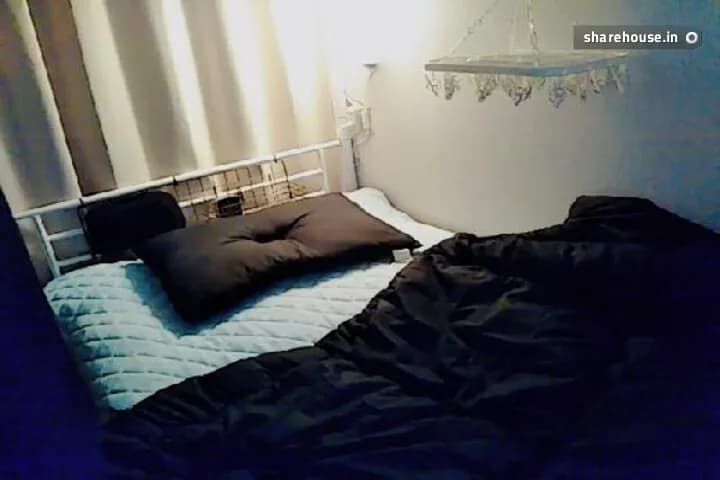
TSUBASA FROUT vol.24 ITOSHIMA PREMIUM CLUB
TSUBASA FROUT vol.24 ITOSHIMA PREMIUM CLUB #301E
Sharehouse room · Tenjin
1 bedroom · 13 m²
Tenjin · min 1 month
¥13,580 / month
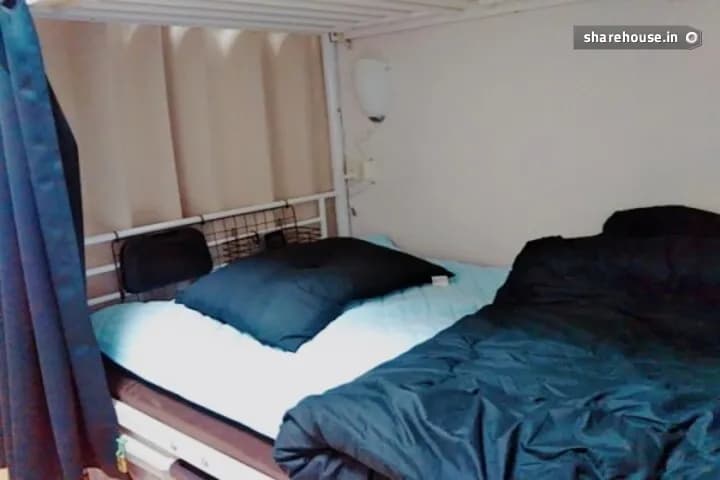
TSUBASA FROUT vol.24 ITOSHIMA PREMIUM CLUB
TSUBASA FROUT vol.24 ITOSHIMA PREMIUM CLUB #301D
Sharehouse room · Tenjin
1 bedroom · 13 m²
Tenjin · min 1 month
¥13,580 / month
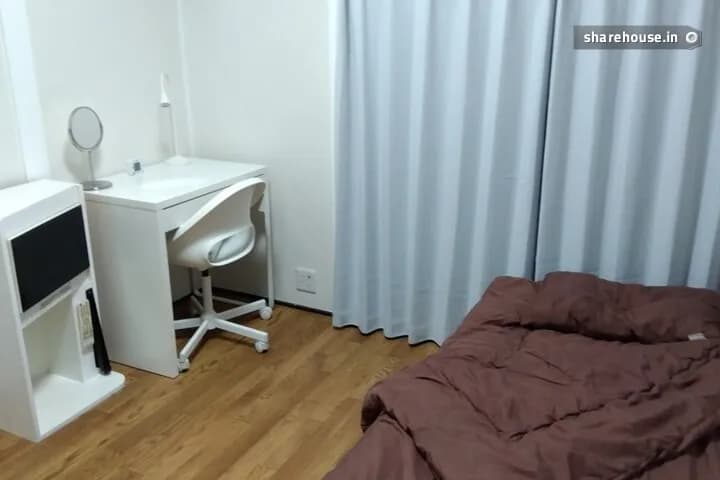
TSUBASA FROUT vol.24 ITOSHIMA PREMIUM CLUB
TSUBASA FROUT vol.24 ITOSHIMA PREMIUM CLUB #202
Sharehouse room · Tenjin
1 bedroom · 14 m²
Tenjin · min 1 month
¥23,580 / month