Kashii Share House Guide: What to Know Before Renting in East Fukuoka

Most English guides to Fukuoka share houses stop at Tenjin and Hakata. But many Japanese searches go further east, to Kashii (香椎). If you have seen listings that say シェアハウス香椎, this guide explains where it is, what daily life can look like, and how to read the listing details.
We are not an agency. Sumizy is a marketplace that introduces you to hosts. Nothing here is a promise of availability, and every price or condition should come from the listing itself.
Where Kashii is
Kashii is in Higashi ward, on the eastern side of Fukuoka city. It is a residential area with a long history. Kashii-gu Shrine is one of its well-known landmarks.
Compared with central areas such as Tenjin, Kashii usually feels quieter and more residential. That can suit people who work from home and want calmer evenings. It also means you will probably take a train when you want a night out in the center.
Check which station a listing means
Kashii is served by more than one railway. There is a JR station and a separate Nishitetsu station, and they are not the same building. Before you fall for a room, check:
- Which station the listing names
- The stated walking time from that station
- How you would get to the places you visit most, such as a coworking space, a gym or a friend's place
A map and a real timetable will tell you more than a general impression. Do the commute check on a weekday morning, not only on paper.
What daily life in a Kashii share house can look like
Share houses differ a lot from one operator to the next. Some have a few rooms and a shared kitchen. Others are larger, with common areas and house events. Ask the host what the house is actually like, rather than assuming.
A few practical things to look at:
- Groceries and errands. Ask the host where the nearest supermarket and convenience store are, and how far each is on foot.
- Getting around. Ask whether a bicycle is useful in the area, and whether the house has bike parking.
- Quiet hours. If you take calls in the morning or work late, ask how the house handles noise.
- Internet. If you work remotely, ask what connection the house has and whether it is shared among all residents.
For more on how Fukuoka's areas compare, see the neighborhood guides. If you are still deciding on the city itself, the Why Fukuoka primer covers the basics.
How to read a Japanese share house listing
Many Kashii listings are written in Japanese first. These terms come up often:
- シェアハウス: share house
- 個室: private room
- 共用部 or 共有スペース: shared areas such as the kitchen, living room and bathroom
- 家具付き: furnished
- 敷金: security deposit
- 礼金: key money, a non-refundable payment to the owner that some rental contracts include
- 保証人 or 保証会社: a guarantor, or a guarantor company
- 共益費 or 管理費: common-area or management fees, usually paid monthly
- 光熱費: utilities such as electricity, gas and water
The most useful habit is to find where each fee is stated and add them up yourself. Rent, management fees and utilities may appear in different places. A low headline rent can still come with extra monthly costs.
Deposits, key money and guarantors
Some share houses and furnished rooms have no key money, and some do not require a Japanese guarantor. This varies by host and by listing. If a listing says so, confirm with the host before you plan around it, and get the answer in writing.
Also ask:
- Is there a deposit, and how is it returned?
- Are there cleaning or move-out fees?
- What is the minimum stay, and how much notice do you need to give?
- Is the contract written in Japanese only, or is there an English explanation?
If the contract is only in Japanese, ask the host to walk you through it. For legal or visa questions, rely on official sources, not on a listing.
Questions to send before you apply
A short, clear message gets a clearer reply. You can copy this outline:
- Your planned move-in date and how long you expect to stay
- Whether you will work from home during the day
- Which fees are included in the monthly amount and which are not
- How the shared kitchen, bathroom and laundry are used
- Whether you can see the room by video before deciding
Hosts reply in their own time, and a reply is not a booking. Treat every conversation as a way to gather information, not as a commitment.
Is a share house the right format for you?
A share house is a good fit if you want a furnished room, a shorter commitment than a standard Japanese lease, and some company at home. It may be less comfortable if you need total privacy or keep a very different daily rhythm from other residents.
If you want more privacy, look at furnished apartments too. The same marketplace lists both, and you can compare them side by side. Our earlier posts on how renting a room in a Fukuoka share house works and on the Akasaka area give another view of the same format in a more central part of the city.
A simple way to start
Here is a short plan for your first week of searching:
- Pick two or three areas and check each one on a map
- Write down the commute you actually need
- Shortlist a few rooms and compare total monthly cost, not just rent
- Message each host with the questions above
- Compare the replies before you decide anything
Kashii may not be the first area people think of. For some residents, that is part of its appeal.
Browse stays in Fukuoka
See which furnished apartments and share houses are listed right now, in English, with free inquiries to the host: browse furnished stays in Fukuoka.

Sumizy
Related Articles
 Neighborhood
Akasaka Share House Guide: Living Near Ohori Park and Tenjin in Fukuoka
Akasaka is a central Fukuoka neighborhood that sits between Tenjin and Ohori Park. Here is what daily life looks like, what to check in a share house listing, and which questions to ask the host.
 SumizyRead more →
 Moving Guide
Fukuoka Share House Guide: How Renting a Room Works and What to Ask
A practical look at share houses in Fukuoka: what a room usually includes, which fees to ask about, how contracts and guarantors work, and how to pick an area before you send an inquiry.
SumizyRead more → Lifestyle
Sharehouse vs Apartment in Fukuoka: Which Is Right for You?
Sharehouse or furnished apartment in Fukuoka — which fits your budget and lifestyle? Compare costs, privacy, and flexibility to decide.
SumizyRead more →Featured properties
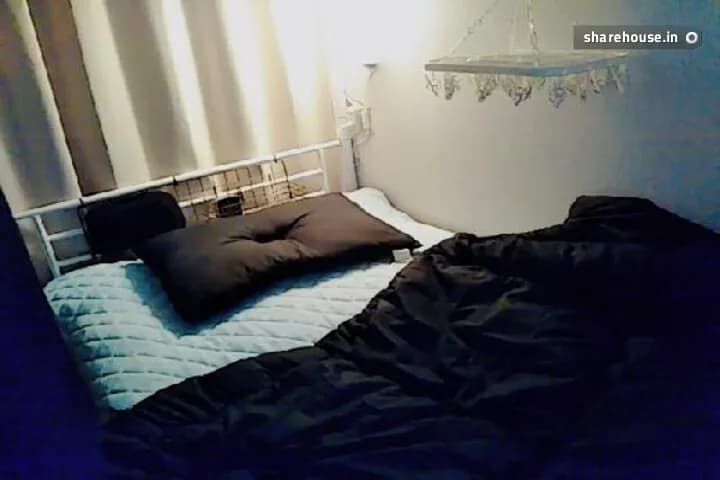
TSUBASA FROUT vol.24 ITOSHIMA PREMIUM CLUB
TSUBASA FROUT vol.24 ITOSHIMA PREMIUM CLUB #301E
Sharehouse room · Tenjin
1 bedroom · 13 m²
Tenjin · min 1 month
¥13,580 / month
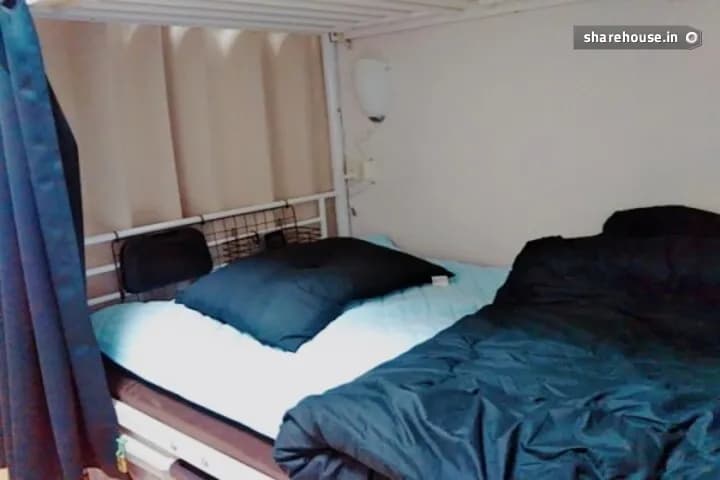
TSUBASA FROUT vol.24 ITOSHIMA PREMIUM CLUB
TSUBASA FROUT vol.24 ITOSHIMA PREMIUM CLUB #301D
Sharehouse room · Tenjin
1 bedroom · 13 m²
Tenjin · min 1 month
¥13,580 / month
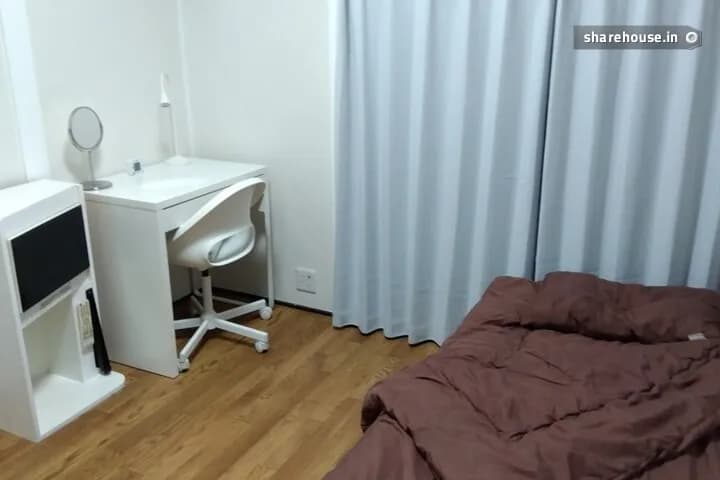
TSUBASA FROUT vol.24 ITOSHIMA PREMIUM CLUB
TSUBASA FROUT vol.24 ITOSHIMA PREMIUM CLUB #202
Sharehouse room · Tenjin
1 bedroom · 14 m²
Tenjin · min 1 month
¥23,580 / month