
How to Open a Bank Account in Japan as a Foreigner (2026)

Why Every Foreigner in Japan Needs a Japanese Bank Account
Opening a bank account in Japan as a foreigner is one of the most important steps you'll take after arriving. Without one, receiving a salary is nearly impossible, paying rent requires cash or complicated workarounds, and everyday tasks like setting up utilities become a real headache.
The good news? It's more straightforward than many people think — especially in Fukuoka, where international residents are increasingly common. This guide walks you through everything you need to know for 2026, from choosing the right bank to walking out with a working account.

Best Banks for Foreigners in Fukuoka
Not all banks treat foreign residents equally. Some require you to have lived in Japan for six months or more. Others are surprisingly foreigner-friendly from day one. Here's an honest breakdown of your best options.
Japan Post Bank (ゆうちょ銀行 / JP Bank)
This is the most recommended starting point for new arrivals. Japan Post Bank has branches inside every post office — including dozens in Fukuoka — and is known for accepting foreign residents with minimal residency requirements.
You can often open an account here within your first few weeks in Japan, provided you have the right documents. ATMs are everywhere, fees are low, and the Mijica debit card works for online shopping.
Fukuoka Bank (福岡銀行)
Fukuoka Bank is the largest regional bank in Kyushu and very widely used among Fukuoka residents. They have a strong branch and ATM network throughout the city — from Tenjin and Hakata to Nishijin and Meinohama.
English support at branches is limited, but their app and internet banking platform have improved significantly. Best suited for those who've been in Japan for at least a few months and have stable employment.
Sony Bank & Rakuten Bank (Online Options)
If you're comfortable with digital banking, these two online banks are excellent. Both offer English-language interfaces, competitive exchange rates for international transfers, and easy app-based management.
Sony Bank in particular is a favourite among expats for its low foreign ATM fees and clear English support. Rakuten Bank links seamlessly with Rakuten's e-commerce ecosystem — handy if you shop online frequently.
Good to Know: Online banks like Sony Bank and Rakuten Bank typically require a My Number card (not just the notification letter) and a Japanese phone number to complete registration. Make sure you have these ready before applying.
Seven Bank
Seven Bank operates primarily through ATMs inside 7-Eleven stores and offers app-based account opening in multiple languages, including English. It's not a full-service bank, but it's an excellent option for new arrivals who need basic banking functions quickly.
Documents You'll Need to Open a Bank Account in Japan as a Foreigner
Requirements vary slightly by bank, but here is the standard checklist for 2026:
- Residence Card (在留カード / Zairyu Card) — This is the most important document. Make sure the address on the card is current.
- My Number Card (マイナンバーカード) — Increasingly required by most banks. Some still accept the My Number notification letter, but the card is strongly preferred.
- Passport — Required as secondary ID at most branches.
- Japanese phone number — Needed for SMS verification and online banking setup.
- Your current address in Japan — Must match your Residence Card.
- Hanko (stamp) — Some older or regional banks still ask for this, though it's becoming less common.
If you're staying in a sharehouse or furnished apartment, make sure your address is properly registered at your local municipal office (shiyakusho) before heading to the bank. Most banks will verify your address against official records.
Pro Tip: Register your address at the nearest ward office (区役所) within 14 days of arriving in Japan. This updates your Residence Card and is required before most banks will process your application.
Step-by-Step: How to Open Your Account in Fukuoka

Here's the process broken down into clear, manageable steps:
- Register your address. Visit your local ward office (e.g., Chuo-ku or Hakata-ku office) and ensure your Residence Card is updated with your current address.
- Get a Japanese SIM card. You need a real Japanese phone number — not a VoIP number. Budget SIMs from IIJmio, Rakuten Mobile, or Y!mobile work fine.
- Choose your bank. For most new arrivals, Japan Post Bank is the easiest starting point. Visit any post office with a banking counter — the Hakata Post Office near Hakata Station is convenient.
- Take a number and wait. Banks in Japan use numbered queue tickets. Pick one from the machine near the entrance and wait to be called.
- Complete the application form. Staff will usually provide a form. At post offices, bilingual forms are sometimes available. Write your name in katakana if asked — bank staff can help with this.
- Set your PIN. You'll typically set a 4-digit PIN at the branch using a dedicated terminal.
- Receive your cashcard. At most banks, the actual cashcard is mailed to your registered address within 7–10 business days. Japan Post Bank sometimes issues it on the spot.
- Set up internet banking. Once you have your card and account number, register for online banking through the bank's official app or website.
Your bank account is the foundation of daily life in Japan — get it sorted early and everything else becomes easier.
Online Banking and English Support in Fukuoka
Japan's banking system has historically been Japanese-only, but things have improved considerably. Here's what to expect from each option in terms of English support:
- Japan Post Bank: Limited English at branches, but the ATM interface offers English. The app is Japanese only.
- Sony Bank: Full English internet banking platform and English customer support. Excellent for expats.
- Rakuten Bank: Partial English support on the app and website. FAQs available in English.
- Seven Bank: App available in English, Chinese, and other languages. Very accessible for new arrivals.
- Fukuoka Bank: Japanese-primary, but staff at major branches like Tenjin and Hakata are sometimes able to assist in basic English.
For international money transfers, services like Wise (formerly TransferWise) connect directly to your Japanese bank account and offer far better rates than traditional bank wire transfers. This is highly recommended if you send money home regularly.
Common Issues — and How to Avoid Them

Even well-prepared applicants sometimes hit a wall. Here are the most common issues foreigners face when opening a bank account in Japan — and how to sidestep them:
"Your residency period is too short"
Some banks, particularly Mitsubishi UFJ (MUFG) and Mizuho, have historically required a minimum 6-month residency period. If you're newly arrived, stick to Japan Post Bank or an online bank first.
Address mismatch
If the address on your Residence Card doesn't match your actual address, your application will be rejected. Always register your new address at the ward office before applying. This is especially relevant if you recently moved into a sharehouse or new apartment.
No Japanese phone number
A VoIP or foreign number won't work for SMS verification. Get a local SIM before you attempt to open any bank account — this is non-negotiable in 2026.
Missing My Number card
If you only have the My Number notification slip (the paper letter), some banks will still accept it. But increasingly, the physical My Number card is required. Apply for yours at your ward office as soon as possible — it typically takes 4–6 weeks to arrive.
Katakana name issues
Your name will be registered in katakana on your account. Make sure the katakana version matches your Residence Card exactly. Inconsistencies can cause problems with salary payments and transfers later.
Getting Settled in Fukuoka — Banking and Beyond
Opening a bank account is just one piece of the puzzle when you first arrive in Fukuoka. Finding comfortable, practical accommodation that supports your early days in Japan matters just as much.
At Sumizy, our furnished apartments and sharehouses in Fukuoka are designed with international residents in mind. Everything is set up and ready to go — including proper address registration support — so you can focus on the practical steps like getting your bank account sorted without added stress.
Whether you're here for work, study, or a fresh adventure, having the right home base makes all the difference. Explore our available rooms in Fukuoka and take one big item off your to-do list right away.

Sumizy
Related Articles
 Tips & Tricks
Best Cheap Monthly Mansions in Fukuoka: 2026 Budget Guide
Looking for cheap monthly mansions in Fukuoka in 2026? This guide covers the best budget areas, real price ranges, and red flags to avoid.
 SumizyRead more →
 Tips & Tricks
Top 5 Banks for Foreigners in Japan: 2026 Side-by-Side Comparison
A practical 2026 comparison of the top 5 banks for foreigners in Japan — including fees, English support, and how to open an account in Fukuoka fast.
SumizyRead more → Tips & Tricks
Fukuoka Apartments Near Major Stations: Closest Furnished Picks by Line
Find the best furnished apartments near Fukuoka's top stations — Hakata, Tenjin, Yakuin and more — with real costs, walk-time tips, and line-by-line guidance.
SumizyRead more →Featured properties
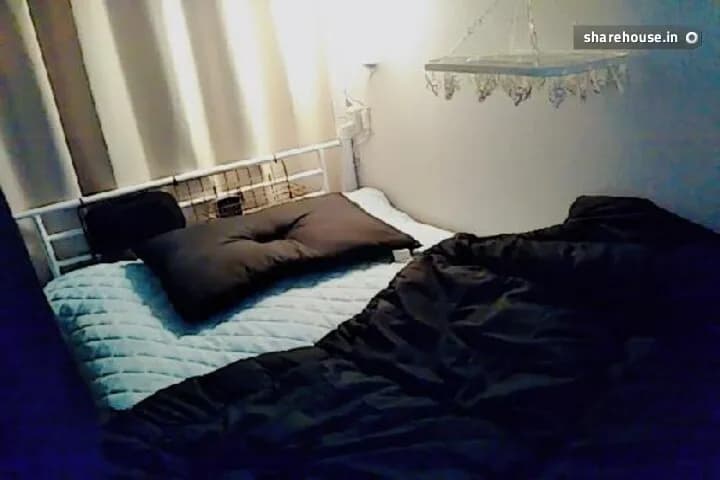
TSUBASA FROUT vol.24 ITOSHIMA PREMIUM CLUB
TSUBASA FROUT vol.24 ITOSHIMA PREMIUM CLUB #301E
Sharehouse room · Tenjin
1 bedroom · 13 m²
Tenjin · min 1 month
¥13,580 / month
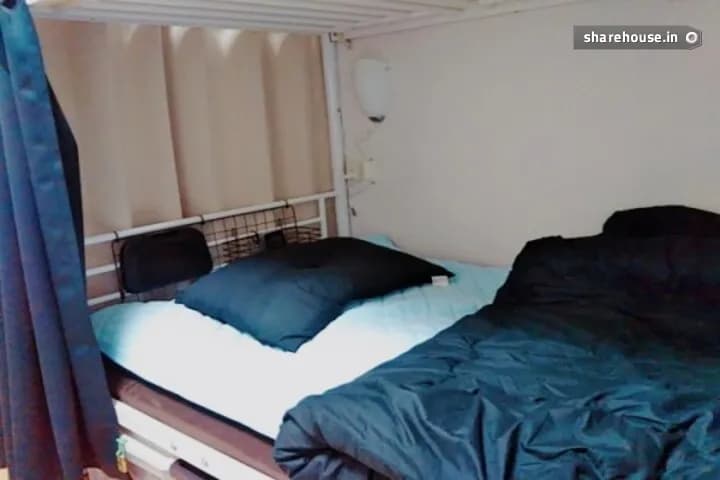
TSUBASA FROUT vol.24 ITOSHIMA PREMIUM CLUB
TSUBASA FROUT vol.24 ITOSHIMA PREMIUM CLUB #301D
Sharehouse room · Tenjin
1 bedroom · 13 m²
Tenjin · min 1 month
¥13,580 / month
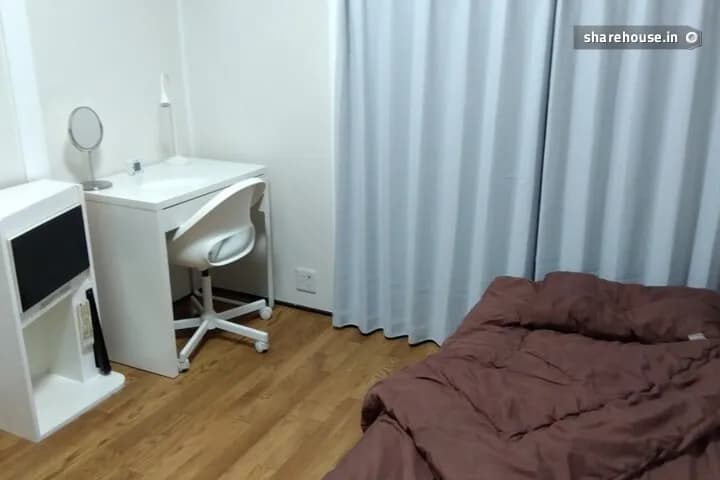
TSUBASA FROUT vol.24 ITOSHIMA PREMIUM CLUB
TSUBASA FROUT vol.24 ITOSHIMA PREMIUM CLUB #202
Sharehouse room · Tenjin
1 bedroom · 14 m²
Tenjin · min 1 month
¥23,580 / month